اكتشف الخدمات المتخصصة لهذا المنتج
تدريب عملي للمستخدمين على استخدام النظام وتشغيل وظائفه الأسا...
شرح متطلبات النظام والسياسات والإجراءات اللازمة لتشغيله وتطب...
تدريب على آلية التدقيق الداخلي، إعداد القوائم، جمع الأدلة، و...
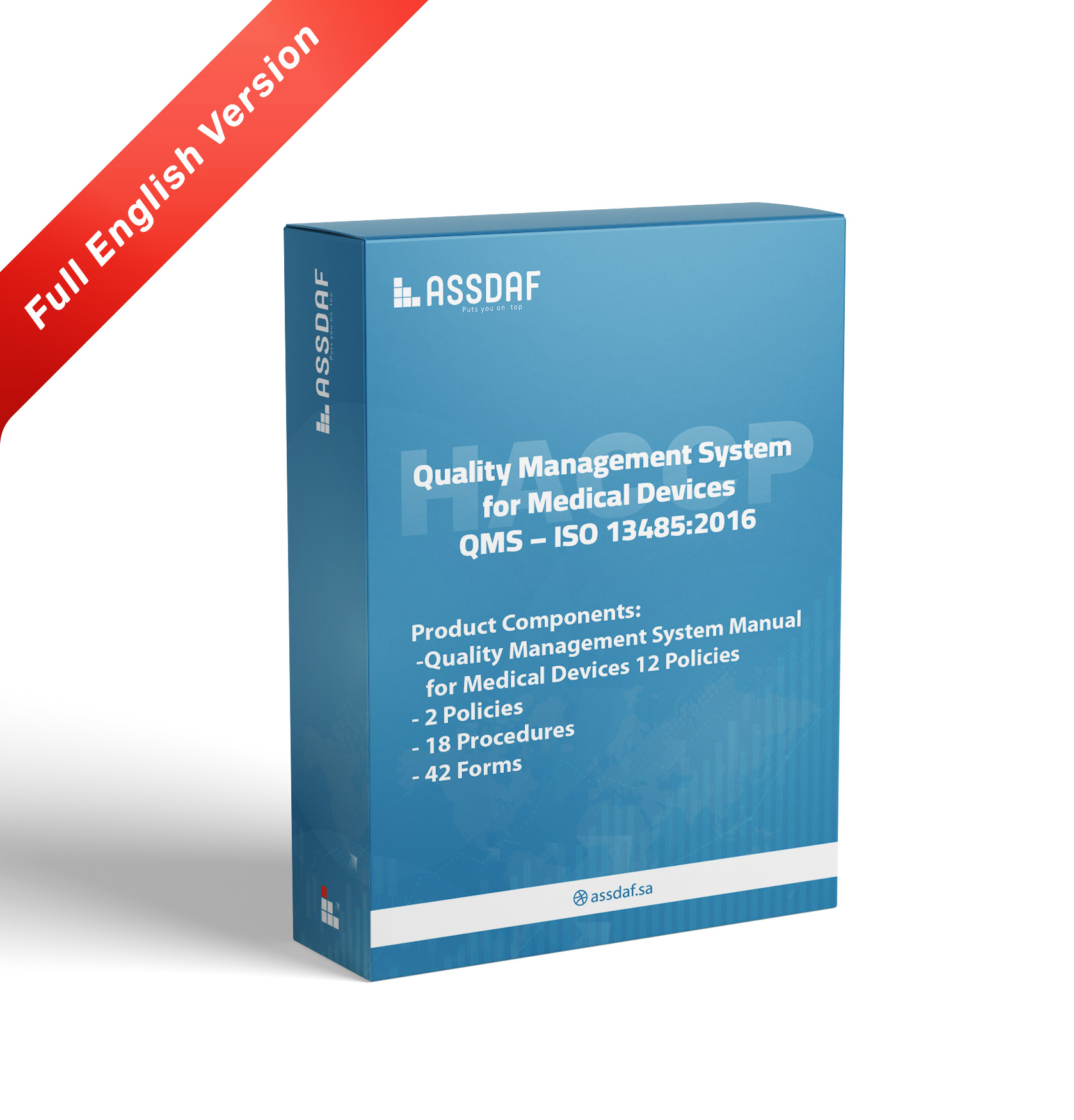
An integrated administrative framework designed to ensure the quality, safety, design, manufacturing, and supply of medical devices in full compliance with regulatory and customer requirements, based on the international standard ISO 13485:2016
Medical Devices Quality Management System (QMS – ISO 13485:2016)
1- Quality Management System Manual
Defines the principles, organizational structure (e.g., quality management, compliance officers, operational teams), roles, responsibilities, and application mechanisms across the device life cycle.
2- Quality Policies
A set of corporate commitments governing product design, development, procurement, manufacturing, post-market surveillance, and withdrawal/recall processes
3- Detailed Operational Procedures
Comprehensive procedures covering the entire operational cycle: product planning, design, purchasing, production, verification/validation, distribution, and post-delivery activities.
Also includes risk management, equipment calibration, traceability, labeling, and documentation controls.
4- Quality Records and Forms
Professional documentation covering: Design History File (DHF), Device Master Record (DMR), supplier evaluation records, verification/validation reports, calibration logs, distribution records, complaint handling, recalls, CAPA, training, and more.
5- Regulatory Integration Mechanisms
Medical devices are heavily regulated; therefore, the system integrates local and international regulatory requirements (e.g., FDA, EU MDR) and reflects documentation, traceability, and post-market reporting obligations.
Key Features and Advantages
System Deliverables
Institutional Impact
Quality Records and Forms
Professional documentation covering: Design History File (DHF), Device Master Record (DMR), supplier evaluation records, verification/validation reports, calibration logs, distribution records, complaint handling, recalls, CAPA, training, and more.
منتجاتنا الأكثر شعبية حسب المبيعات
.jpeg)
هو منظومة إدارية وتقنية متكاملة تهدف إلى حماية أصول المعلومات في المؤسسة بمختلف أنواعها—الرقمية،...
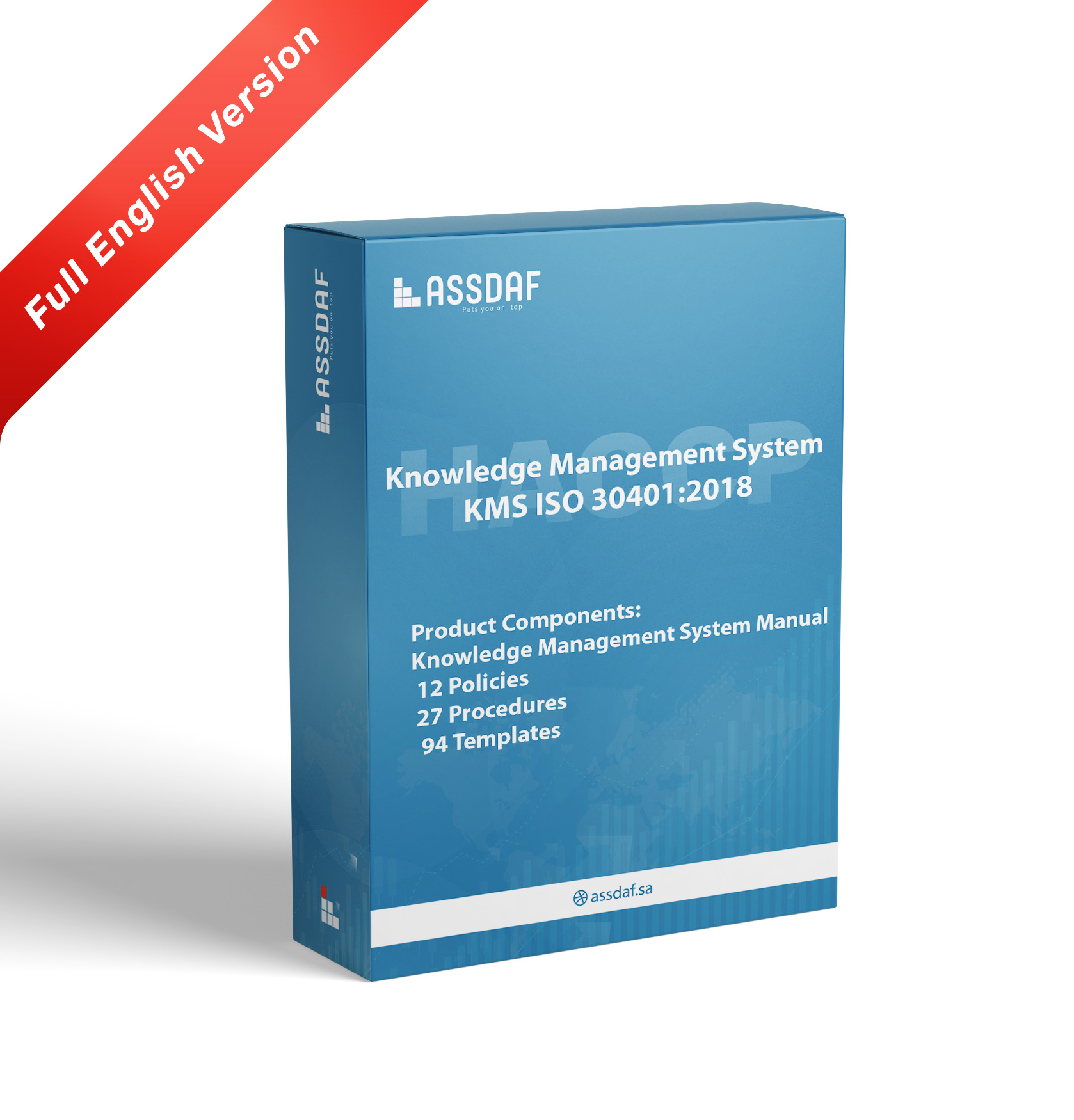
Knowledge Management System (KMS) ISO 30401:2018 An integrated administrative framewo...
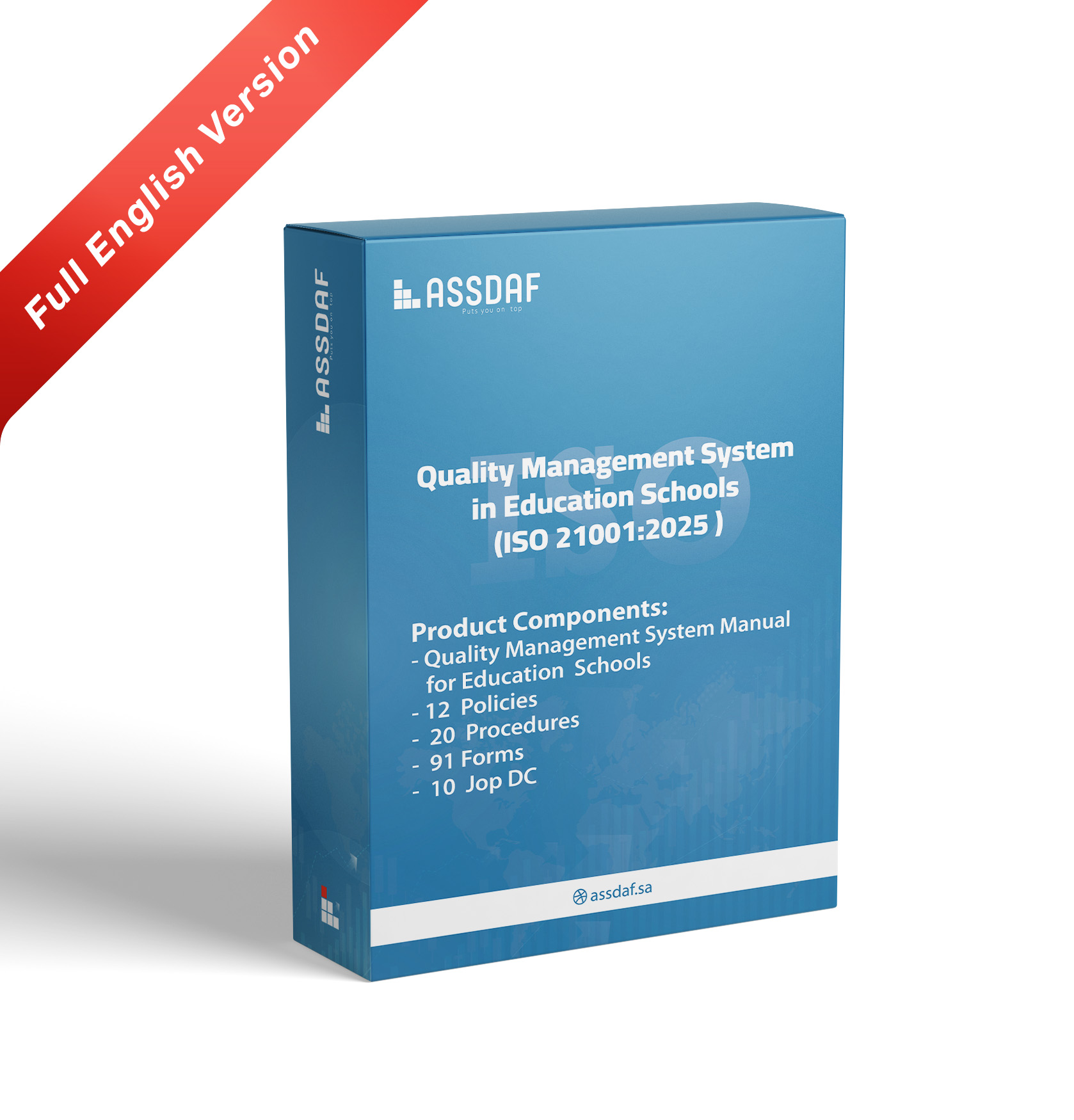
Quality Management System for Educational Institutions (Schools) QMS ISO 21001:2025 The Quality...

باكدج متكامل لنظام التمييز والتتبع والسحب والاستدعاء باكدج التميز والتتبع والاستدعاء والسحب...

The Information Security Management System (ISMS) is an integrated administrative and technical fram...
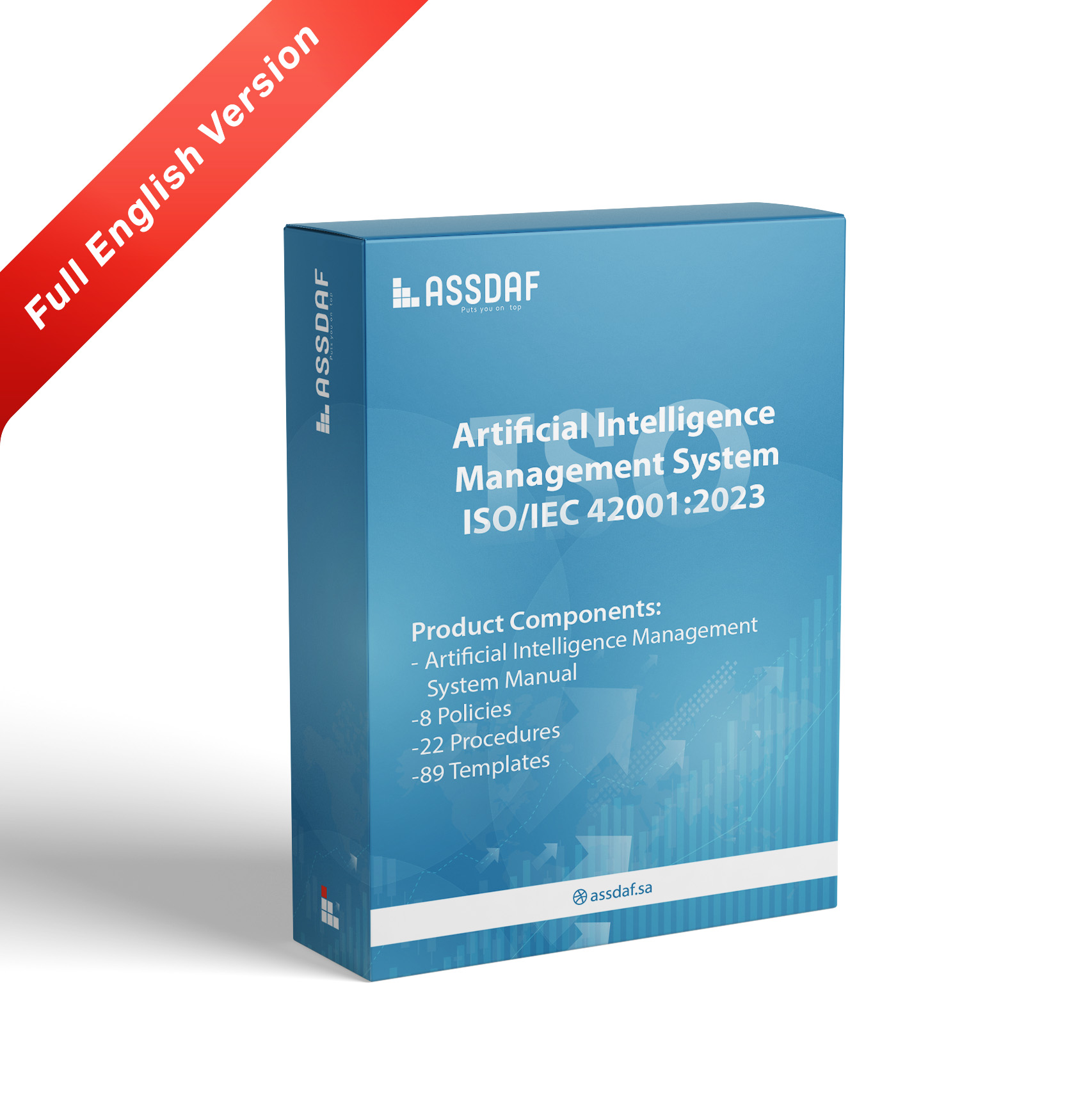
Artificial Intelligence Management System (AIMS) Ø An integrated administrative f...
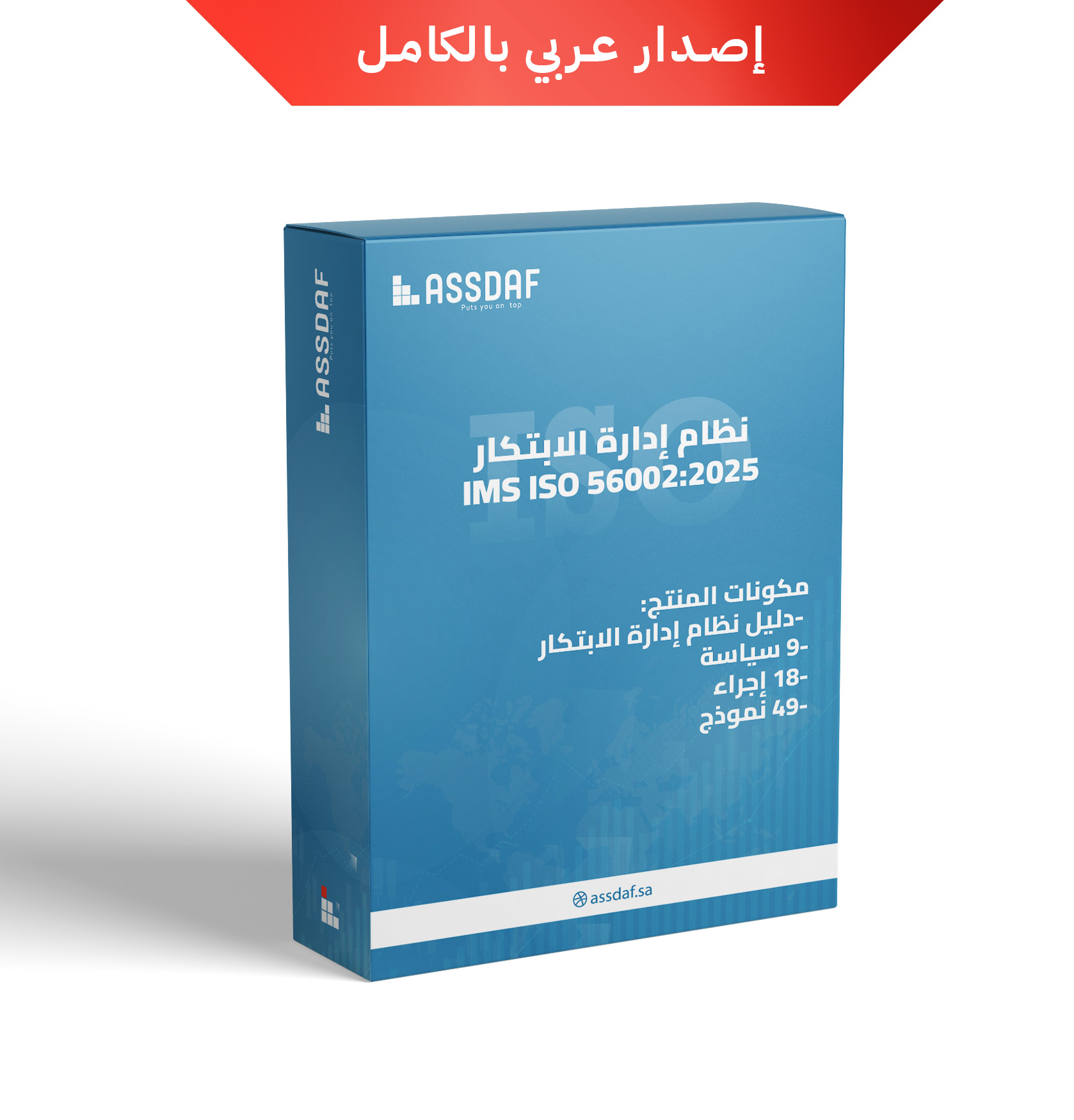
نظام إدارة الابتكار (IMS) ISO 56002:2025 يعد نظام إدارة الابتكار (Innovation Management System &ndas...
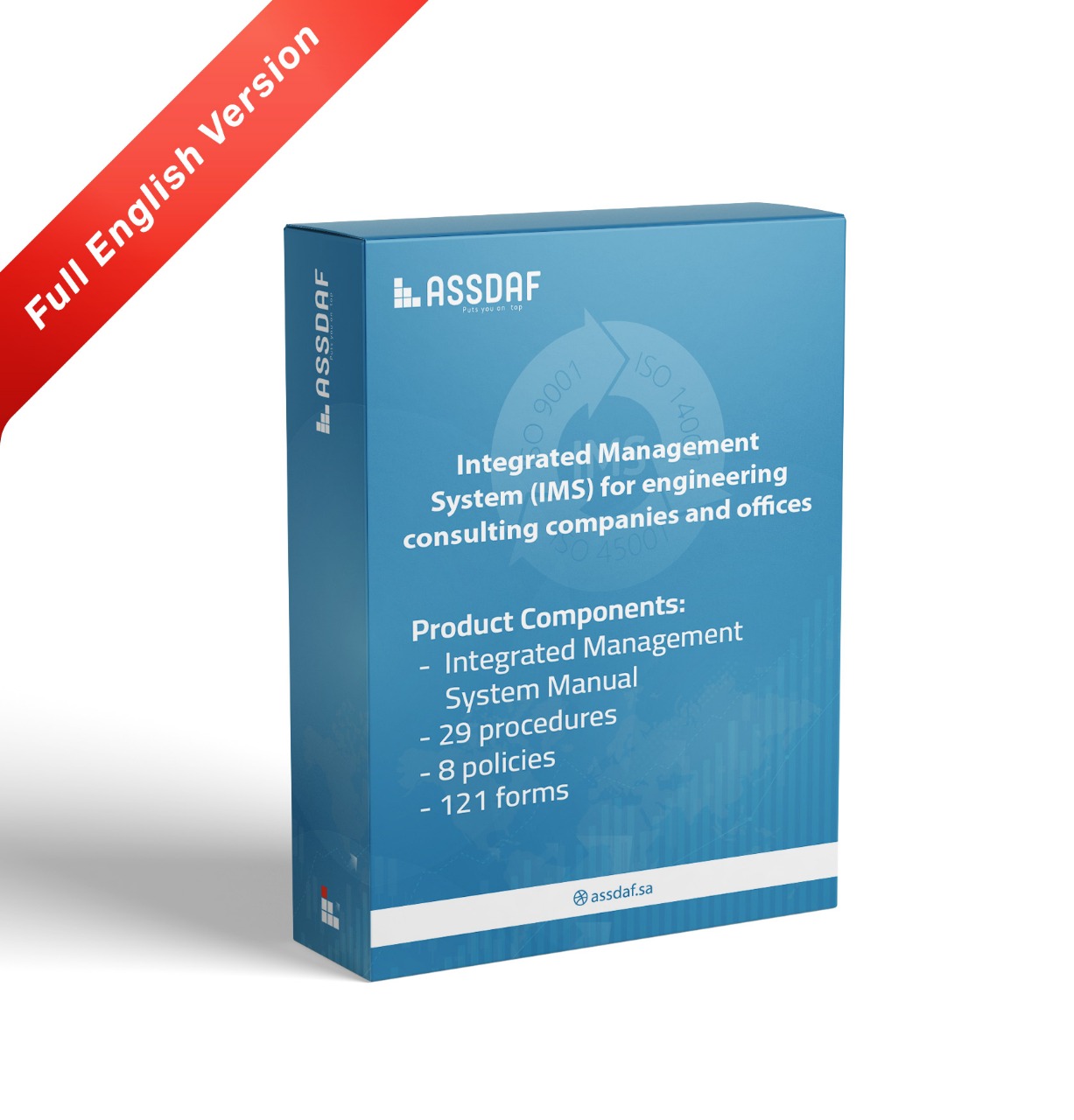
Integrated Management System (IMS) for Engineering Consulting Companies and Offices The&nb...
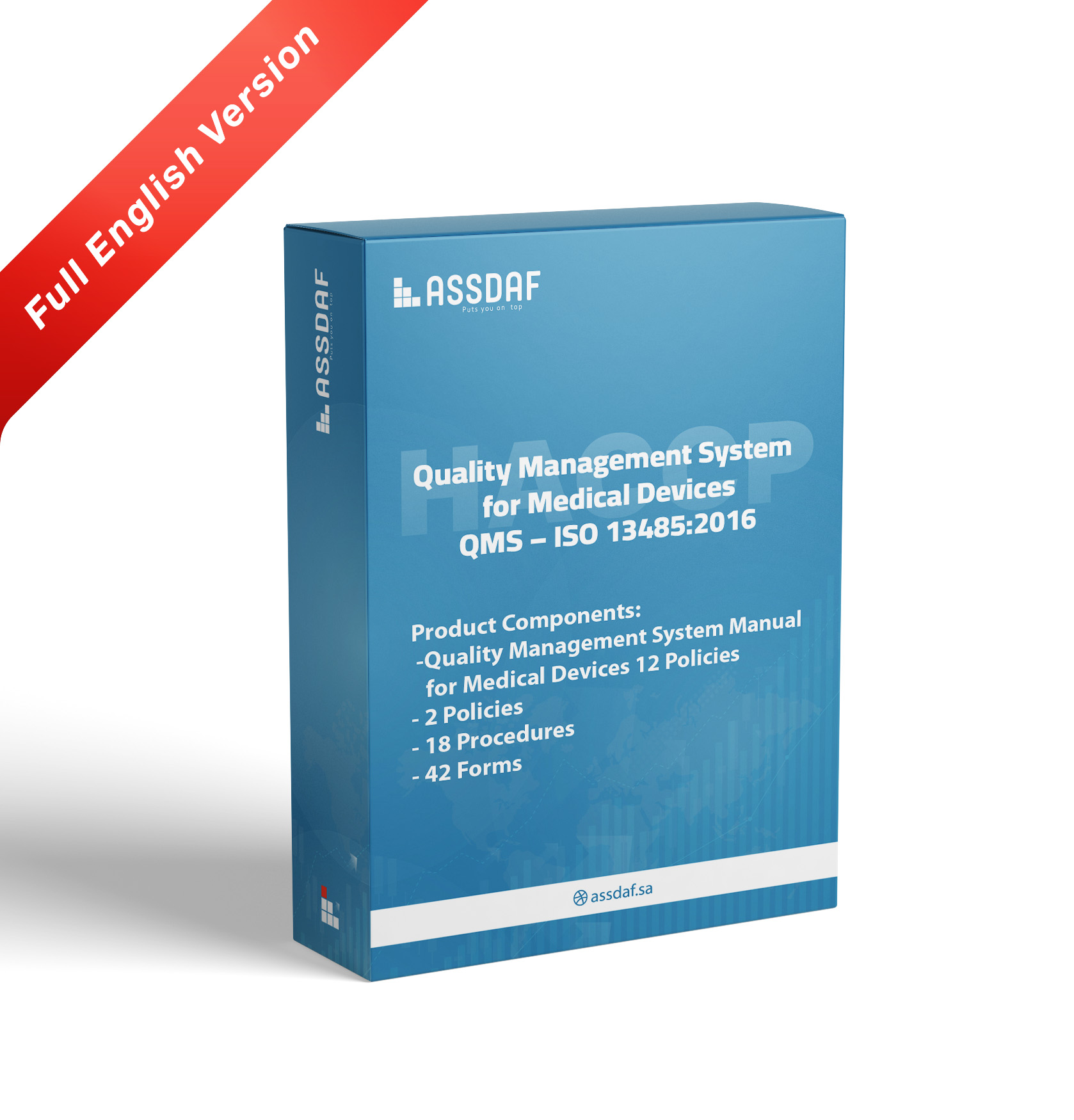
An integrated administrative framework designed to ensure the quality, safety, design, manufac...

نظام إدارة الجودة للمؤسسات التعليمية (الجامعات ، الكليات ، المعاهد) QMS ISO 21001:2025 يعد...